
Being in the Bay Area on the occasion of the sixtieth anniversary of the founding of the Black Panther Party feels like a fortunate coincidence. Being at the Freedom Archives at this time makes the experience even more meaningful. It is impossible not to be drawn into the extraordinary amount of history preserved within these walls. A history that lives not only in the archival materials themselves, but also, and perhaps above all, in the people who inhabit this space daily.
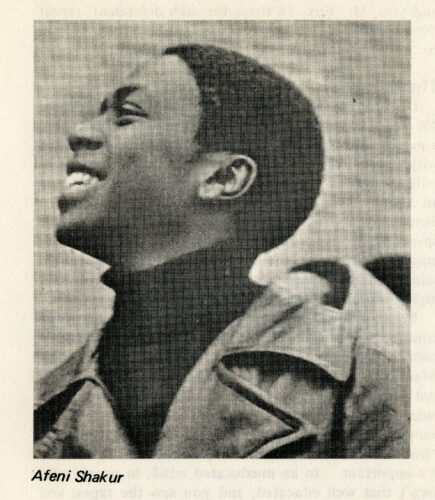
One of the most noteworthy moments of my time here was listening to a series of recordings in which Afeni Shakur reflected, in her own voice, on her political activism and her incarceration during the Panther 21 case. I was struck by the clarity with which this young Black woman spoke about her experiences and her ability to connect them to a much wider urgency for political unity and struggle. For Afeni, the fight against prisons – and racial capitalism – had to become a collective struggle involving society as a whole, from families to communities. But for that to happen, people first had to question the very assumptions through which they came to learn about crime, punishment, imprisonment.. More broadly, they had to question life under capitalism. As Afeni explained,
‘We have a lot to explain to our families and communities, that we’re not bad, but that the system was bad to us’
She was calling for a fundamental challenge to the system of values through which society understood and justified incarceration, particularly the tendency to blame incarcerated people for their situation and the violence inflicted upon them. What made this process especially difficult was that such attitudes were sometimes reproduced within prisoners’ own families, who did not necessarily recognize the political function of prisons and their relationship to the broader structures of capitalist oppression. Afeni recognized that these attitudes were beginning to change. The example was set by Georgia Bea Jackson, the mother of George and Jonathan Jackson; ‘She’s been an inspiration to mothers who have kids in prisons across the country. She stood by George and Jonathan’.
This emphasis on political consciousness was central to Afeni’s involvement with the National Committee to Defend Political Prisoners following her release in 1971. Its work sought to equip incarcerated people with the information, literature, and resources necessary to understand their circumstances, with the aim of making ‘each prisoner self-sufficient and able to defend themselves in court’. At the same time, this effort extended to families and communities, encouraging them to become more actively involved in supporting incarcerated relatives. For Afeni, this growing support reflected ‘the grassroots level of our organizing, that people understand those prisons’.
Perhaps the moment that stayed with me most came when the interviewer asked Afeni what she thought should be done next. Her answer was disarmingly simple;
‘I can’t suggest myself anything, I don’t know what to do, but together with all the people we can figure out what to do’.
There was something almost paradoxical, and even slightly amusing, about hearing these words from a young Black woman who had organised within the BPP for many years, had already endured a lengthy period of incarceration, spent part of her pregnancy behind bars under extremely harsh conditions, fought for access to adequate nutrition for her unborn child (she secured the right to receive an egg a day!), and ultimately represented herself in court during the Panther 21 trial. Afeni refused to exceptionalise herself. Instead, she insisted that the answers had to emerge through collective discussion and participation. ‘The best thing is for people to come to the conference, and together we could figure out’, she answered. Afeni was referring to The Struggle Inside: Prison Action Conference held in Berkeley in January 1972, where she herself was among the keynote speakers. The conference brought together formerly incarcerated people, activists, lawyers, scholars, and community organizers to develop a collective understanding of the prison system and explore concrete forms of resistance and alternatives.
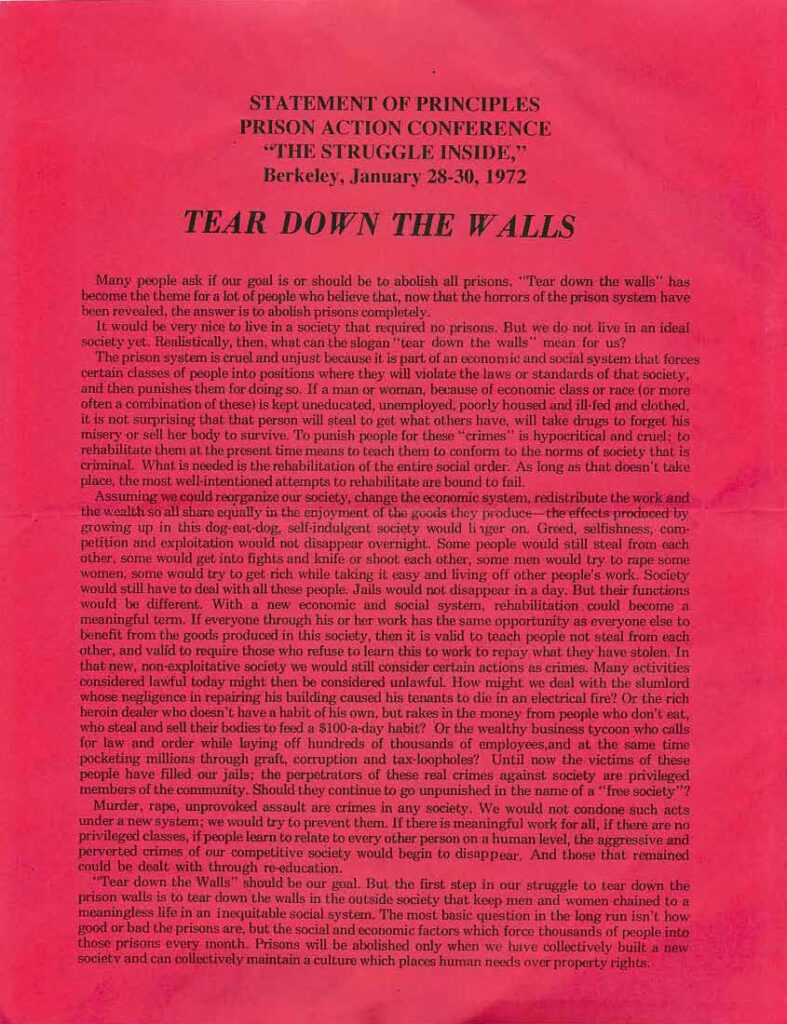
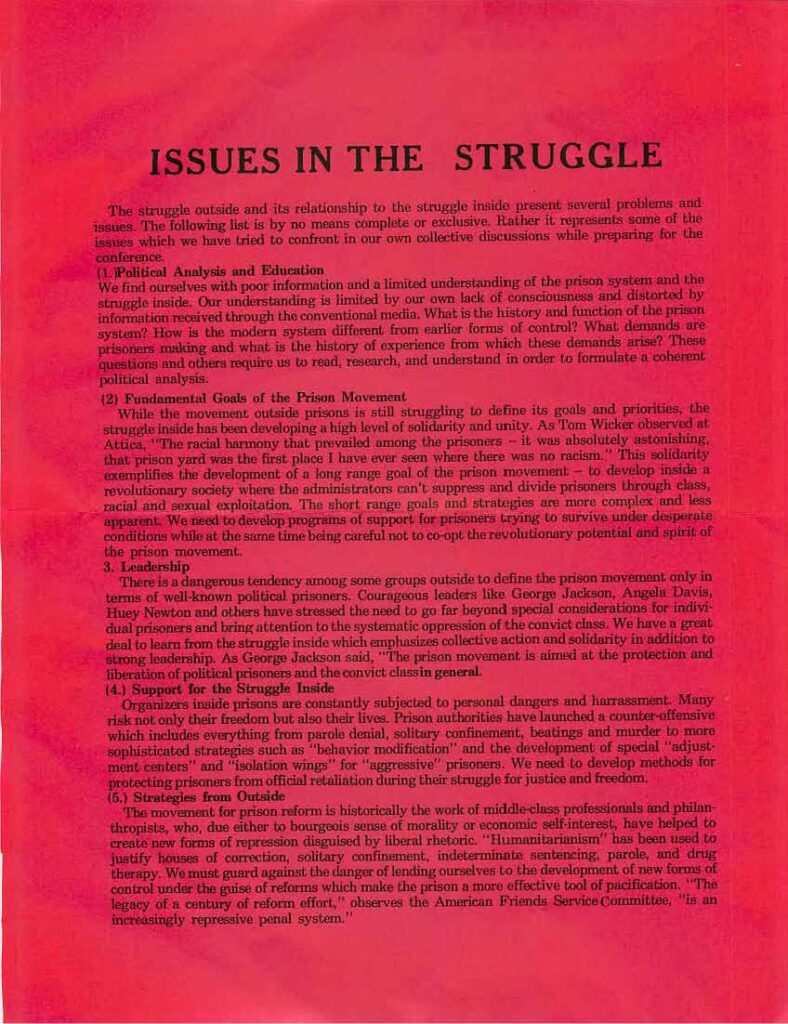
Whether discussing the need for families to question their assumptions about imprisonment, the importance of prisoners learning to defend themselves, or the experiences of women whose efforts to survive had been criminalized, Afeni consistently returned to the same fundamental principle: Power to the People!. She expressed a profound confidence in the capacity of people to come together, share their experiences, develop a common understanding of the structures that oppressed them, and collectively determine how to confront those structures and build a new society.
Arianna
*Afeni photo credit – Michael Hardy